 Skip to content

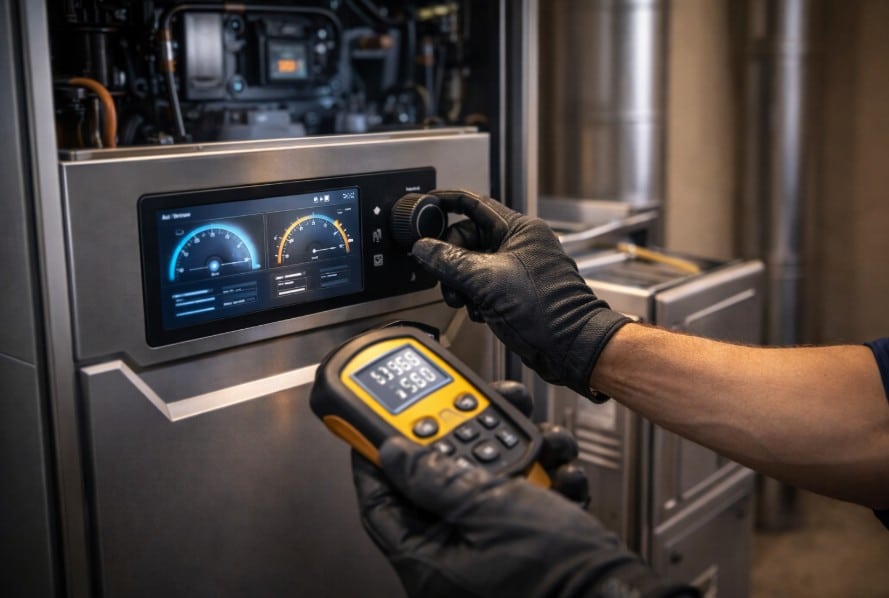
If you’re exploring options for a new furnace or considering a home furnace replacement, this comprehensive guide is your starting point. We break down the pros and cons of different furnace types, including forced air furnaces, plus how to calculate BTU sizing, understand AFUE efficiency ratings, and what to expect in terms of installation costs. For expert support tailored to your home’s climate needs, explore trusted HVAC Services in Davenport, FL. Whether your current system is outdated or you’re building a new home, Underwood AC is here to help you make a confident, cost-effective decision.
Why a New Furnace Matters in 2025
Investing in a new furnace in 2025 is more than just a comfort upgrade; it’s a smart move for your home’s energy efficiency, safety, and long-term value. As older systems struggle to keep up, they often consume more energy, deliver inconsistent heating, and are more prone to costly breakdowns, especially during peak usage.
In states like Florida, where winters are mild but humidity and sudden cold snaps can make indoor temperatures uncomfortable, the right furnace can make a big difference. Today’s models are designed to run quieter, heat more evenly, and meet stricter federal energy standards, which can translate into real savings on your utility bills.
Plus, with the cost of HVAC equipment and labor continuing to rise nationwide, planning your home furnace replacement now helps you avoid surprise emergencies later. At Underwood AC, our local HVAC experts help you choose the right system for your home’s size, layout, and climate needs, without overspending or upselling. We make the process simple, transparent, and tailored to your goals.
Forced Air Furnace
Forced Air Furnace vs. Other Heating Systems: What You Need to Know
When exploring options for a home furnace replacement, it’s essential to understand the different types of systems available and how they function in homes like yours. One of the most popular systems in the U.S. is the forced air furnace, which works by heating air and distributing it through ducts using a blower fan. It’s efficient, quick to warm up your space, and compatible with most standard ductwork.
But forced air isn’t your only option. Here’s a breakdown of how it compares to other furnace types so you can make a more informed decision:
| Furnace Type | Fuel Source | Key Benefits | Drawbacks | Average Lifespan |
| Forced Air (Gas) | Natural Gas | Heats quickly, widely available, ducted | Requires ductwork, gas line connection | 15–20 years |
| Electric Furnace | Electricity | Lower upfront costs, easier installation | Higher energy bills, slower heating | 20+ years |
| Oil Furnace | Heating Oil | High heat output, reliable in cold climates | Requires regular maintenance and oil delivery | 15–20 years |
| Heat Pump (Hybrid) | Electricity | Energy-efficient for heating and cooling | Less effective in below-freezing temperatures | 10–15 years |
💡 Pro Tip: Forced air furnaces are also ideal if you’re looking to improve indoor air quality. They work seamlessly with air filtration, air handlers, and air quality testing systems to deliver cleaner, more comfortable air throughout your home. If you live in Davenport, FL, where winter heating demand is moderate, choosing the right system can help you save money without sacrificing comfort.
Need help deciding which type is best for your home? Contact the experts at Underwood AC, and we’ll help you choose a heating system that fits your home, budget, and lifestyle.
Understanding Furnace Efficiency Ratings: Why AFUE Matters for Your Home
If you’re researching a home furnace replacement, you’ve probably come across the term AFUE, but what does it actually mean, and why should you care?
AFUE stands for Annual Fuel Utilization Efficiency, and it’s a key rating that tells you how efficiently your furnace converts fuel into usable heat for your home. Think of it like your furnace’s MPG rating, except instead of miles per gallon, it tells you how much of every energy dollar goes toward warming your space.
For example:
- A 90% AFUE furnace turns 90 cents of every energy dollar into heat. Only 10 cents are lost through the exhaust system.
- Older furnaces (especially those over 15 years old) often have AFUE ratings as low as 60–70%, meaning up to 40 cents of every dollar is wasted.
Why This Rating Should Matter to You
Even if a high-efficiency furnace costs more upfront, it can significantly reduce your monthly energy bills, especially over the 15–20 year life of the system. The higher the AFUE, the better your return on investment, particularly in homes with frequent heating needs.
For homeowners in Davenport, FL, where winters are mild but still require heating, a mid-range to high-efficiency furnace (80–95% AFUE) often strikes the best balance between cost and performance.
💡 Tip: Always compare AFUE ratings when shopping for a new furnace and ask your contractor to explain what makes the most sense for your climate and budget.
BTU sizing
BTU Sizing: Why Heating Capacity Isn’t One-Size-Fits-All
Choosing the right furnace isn’t just about brand or fuel type; it’s also about matching the heating output to your home’s actual needs. That’s where BTU sizing comes in.
BTU, or British Thermal Unit, measures how much heat a furnace can produce in an hour. Getting this number right is critical for both comfort and efficiency. A furnace that’s too small may struggle to heat your space on colder days, leading to uneven warmth or constant running. On the other hand, a furnace that’s too large can overheat rooms quickly, causing it to cycle on and off too often, known as short cycling, which increases wear and tear and wastes energy.
Here’s a general breakdown to give you an idea of common sizing ranges:
| Home Size (sq ft) | Estimated BTU Range |
| 1,000 | 30,000 – 45,000 BTUs |
| 1,500 | 50,000 – 70,000 BTUs |
| 2,000 | 60,000 – 90,000 BTUs |
But these are just ballpark numbers. Your home’s insulation, number of windows, ceiling height, duct condition, and even which direction it faces can drastically affect what size furnace you actually need.
That’s why it’s best to skip guesswork and let a professional perform a Manual J heat-load calculation, the industry gold standard for sizing. The experienced team at Underwood AC uses this method to ensure you get a system that delivers consistent, cost-effective heat tailored to your home.
Need help figuring out the right size furnace? Contact Underwood AC for expert BTU recommendations and custom solutions.
Home Furnace Replacement
Home Furnace Replacement: 5 Clear Signs It’s Time to Upgrade
Wondering whether it’s time to say goodbye to your old furnace? Recognizing the warning signs early can save you from costly breakdowns, rising energy bills, and uncomfortable nights. Here are the top five indicators that a home furnace replacement may be the smarter move than another repair:
- 1. Your Furnace Is Over 15 Years Old
Most furnaces have a lifespan of 15–20 years. If yours is creeping past the 15-year mark, it’s likely running less efficiently and may soon require major repairs. Even if it’s still operating, newer models offer much better energy efficiency and reliability. Upgrading to a high-efficiency furnace can significantly reduce energy use and improve performance. - 2. Energy Bills Keep Going Up
A spike in your heating bills, despite no change in your usage, can point to an inefficient system working harder than it should. A modern, high-AFUE furnace can significantly reduce monthly utility costs over time. - 3. Uneven Heating or Cold Spots in the Home
Are some rooms too hot while others are still chilly? Uneven temperatures often indicate poor airflow or declining furnace performance. This is especially common in older units with failing components or outdated ductwork. In some cases, upgrading your system may also require professional ductwork installation to ensure balanced airflow and full system efficiency. - 4. Frequent Repairs Are Adding Up
If you’ve had to call for repairs more than once in the past two years, it’s time to consider whether those costs would be better spent on a new, reliable system. Repeated part failures are a sign your furnace is nearing the end of its useful life. - 5. Your Furnace Runs Loudly or Cycles On and Off
Strange noises, like banging, rattling, or excessive humming, and short cycling (turning on and off frequently) are signs of internal issues or incorrect sizing. These symptoms not only impact comfort but can also shorten the system’s lifespan.
Still not sure if now is the right time? Contact Underwood AC for an honest assessment. We’ll inspect your system and help you determine whether a home furnace replacement is the right move, or if a few simple fixes will keep it going strong.
Tips for Choosing the Right Contractor
Hiring the right HVAC contractor is just as important as choosing the right furnace. A high-efficiency system won’t perform well, or last as long, if it’s installed improperly. Here’s what to look for when selecting a contractor for your home furnace replacement:
- Check for Proper Licensing and Insurance
Ensure the contractor is licensed in Florida and carries both liability and workers’ compensation insurance. This protects your property and avoids any liability if accidents happen on-site. - Ask About Load Calculations
A reliable contractor should perform a Manual J load calculation to determine the correct BTU sizing for your home. This ensures your new furnace isn’t over- or under-powered, which can lead to higher energy bills and reduced comfort. - Review Warranty Options and Guarantees
Ask about manufacturer warranties and workmanship guarantees. Also, inquire whether the contractor offers ongoing service agreements to help maintain your system long-term and catch small issues before they become expensive repairs. - Get Multiple Quotes, But Compare Apples to Apples
Pricing varies, but don’t go with the lowest bid without checking what’s included. Look closely at labor, equipment brands, warranty terms, and added services like duct inspections or thermostat upgrades. - Read Local Reviews and Testimonials
Online reviews and word-of-mouth can tell you a lot. Look for consistent comments about timeliness, professionalism, and customer support.
With Underwood AC, you’re getting more than just installation; you’re partnering with a trusted local team that understands the climate needs of Davenport and the surrounding areas. Their licensed HVAC pros will guide you through every step of your home furnace replacement with professionalism, precision, and care. Call today for a no-obligation quote and expert advice.
Make an Informed Decision with Underwood AC
A home furnace replacement isn’t just another home improvement; it’s a long-term investment in your comfort, safety, and energy efficiency. Choosing the right system can mean lower utility bills, better indoor air quality, and fewer surprise breakdowns for years to come.
But to make the most of that investment, it’s essential to understand how furnace type, AFUE ratings, BTU sizing, and installation costs all come together. Every home is different, and what works for a neighbor may not be the best fit for your space or budget.
That’s where Underwood AC comes in. Their experienced HVAC team takes the guesswork out of the process with:
- Professional load calculations for accurate BTU sizing
- Energy-efficient options suited for Florida’s mild winter climate
- Transparent pricing and available financing
- Reliable installation backed by local expertise and solid warranties
Have questions or are you ready to take the next step? Don’t wait, contact us today to schedule your in-home consultation. You’ll get trusted advice, personalized recommendations, and a furnace that keeps your home comfortable for seasons to come.
FAQs About Furnaces (with Schema Ready Answers)
Here are some of the most common questions homeowners in Davenport, FL, and nearby areas ask when considering a home furnace replacement. Each answer is crafted to give you practical insights so you can make confident, informed decisions.
What is the most energy-efficient furnace in 2025?
The top-performing models in 2025 are condensing gas furnaces with AFUE ratings of 95% or higher. Many also feature variable-speed blowers and modulating gas valves, which fine-tune performance for better comfort and energy savings. These advanced systems can significantly reduce your utility bills compared to older, single-stage models.
How long does a forced air furnace typically last?
On average, a forced air furnace will last 15 to 20 years with regular maintenance. Factors like how often it runs, how well it was installed, and how frequently it’s serviced can impact its lifespan. Systems that are cleaned and inspected annually tend to run more efficiently and last longer.
Can I replace just the furnace without replacing the AC?
Yes, you can usually replace the furnace independently if your AC is still in good shape. However, it’s essential to ensure that the air handler, ductwork, and thermostat are compatible with the new furnace. A trusted HVAC technician, like the pros at Underwood AC, can help assess if your system is properly matched.
How do I determine the correct BTU sizing for my home?
While general BTU charts based on square footage can provide estimates, true accuracy comes from a Manual J load calculation. This professional method considers your home’s insulation, windows, layout, sun exposure, and local climate, ensuring your furnace isn’t too large or too small.
Will a higher-efficiency furnace lower my heating bills?
Absolutely. Furnaces with high AFUE ratings convert more of the fuel they consume into usable heat. For example, upgrading from a 75% to a 95% AFUE model could cut your heating costs by up to 20% annually, depending on your usage and fuel rates.
Is an electric furnace better than gas in Florida’s climate?
Electric furnaces are easier to install and safer to operate, but they tend to cost more to run. In Florida’s mild winters, many homeowners opt for gas furnaces or heat pump systems, which offer better energy efficiency and cost-effectiveness over time. The best option depends on your home’s layout, utility rates, and comfort preferences.
What should I expect to see in a furnace installation quote?
A thorough quote from a reputable contractor should include:
- Cost of the new furnace unit
- Labor charges
- Permit fees (if applicable)
- Thermostat installation or upgrade
- Ductwork modifications (if needed)
- Disposal of your old unit
- Warranty information (both manufacturer and labor)
Always request a detailed breakdown so you can compare quotes accurately and avoid surprise costs. Need a transparent estimate? Reach out to Underwood AC today.