 Skip to content

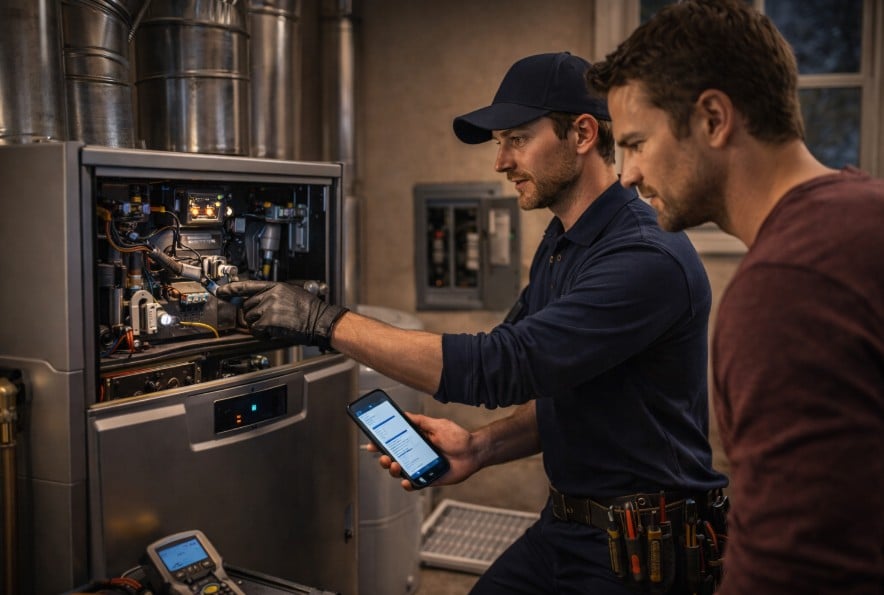
If your heater won’t turn on, don’t worry, you’re not alone, and in many cases, the fix is easier than you think. This step-by-step guide breaks down the 10 most common reasons why your heating system might refuse to start, from simple thermostat missteps and tripped breakers to clogged air filters and ignition failures. You’ll also find practical, homeowner-friendly solutions and tips to know when it’s time to stop troubleshooting and call us for expert help. If you need reliable support, explore our trusted HVAC services in Davenport, FL. Let’s get your home warm and comfortable again, fast.
Thermostat Fault
1. Thermostat Fault (Settings or Power)
When a heater won’t turn on, the thermostat is often the simplest and most common place to start. This device acts as the communication hub between you and your heating system. If it isn’t sending the right signal or isn’t receiving power, your heater won’t respond at all.
Before assuming there’s a major problem, check the following:
- Confirm the correct settings
Make sure the thermostat is set to HEAT and that the temperature setting is at least a few degrees higher than the current room temperature. Even a small setting mismatch can prevent the system from activating. - Check the display and power source
A blank or flickering screen usually indicates a power issue. Replace the batteries if applicable, since many thermostats rely on batteries even when hard‑wired to the system. - Inspect for wiring or mounting issues
A thermostat that has come loose from the wall or has damaged wiring may fail to communicate with the furnace. If it feels unstable or unresponsive, this could be part of the problem.
Incorrect settings, dead batteries, or a blank display are among the most frequent reasons a heater won’t start. Programmable and smart thermostats can also introduce communication errors if not set up properly. If these basic checks don’t restore heat, a licensed HVAC technician can determine whether the issue is a true thermostat fault or a deeper electrical or system-related problem.
Tripped Breaker
2. Tripped Breaker or Blown Fuse
If your heater won’t turn on, one of the first and easiest things to check is the power supply. Even high-efficiency systems won’t function if they’re not receiving electricity. A tripped breaker or blown fuse can silently shut down your entire heating system.
Here’s how to safely check:
- Step 1: Find Your Electrical Panel
Most homes have a breaker box located in the garage, utility room, or basement. Open it and look for a switch labeled “furnace” or “HVAC.” - Step 2: Inspect the Breaker
A tripped breaker often appears slightly off-center or misaligned from the others. Flip it all the way to the “off” position, then firmly back to “on.” - Step 3: Replace Fuses if Needed
If you have an older system that uses fuses instead of breakers, look for a dark or broken filament as a sign it needs replacing. Always turn off the power before removing any fuse.
⚠️ Important: If the breaker trips again immediately or repeatedly, do not keep resetting it. This could signal an electrical overload, faulty wiring, or a problem within the furnace itself. In that case, it’s time to call in a licensed HVAC technician.
3. Clogged Air Filters
Believe it or not, something as simple as a clogged air filter is one of the most common reasons your heat won’t turn on. When airflow becomes restricted, your heater can overheat, triggering built-in safety sensors that shut the system down to prevent damage.
Here’s what to look for:
- Weak airflow from vents
- Dust buildup around vents and on furniture
- Unusual noises or short cycling (heater turns on and off quickly)
If any of these sound familiar, your first move should be to inspect and replace the air filter. Filters should generally be changed every 1–3 months, especially if you have pets, live in a high-pollen area, or deal with allergies. A clean filter supports healthy airflow, helps maintain proper temperature regulation, and reduces strain on your HVAC system.
Bonus Tip: Upgrading to a high-efficiency filter or adding a whole-home air filtration system can further enhance indoor air quality and protect your furnace from dust and debris buildup, helping your entire HVAC system run smoothly and last longer.
If your system still won’t kick on after replacing the filter, there may be a deeper airflow or sensor issue. That’s when it’s best to bring us in for a full inspection and tune-up.
4. Pilot Light or Ignition Issues (Gas Furnaces)
For gas furnaces, heat can only be produced if the pilot light or electronic ignition system successfully lights the burners. When this process fails, the heater simply will not turn on. Older furnaces use a standing pilot light, while newer models rely on electronic ignitors that spark or heat up automatically.
Common signs of ignition trouble include:
- A pilot light that is completely out
- Repeated clicking sounds with no flame ignition
- A furnace that attempts to start but shuts down quickly
If your system has a traditional pilot light, carefully follow the manufacturer’s instructions to relight it. Modern furnaces with electronic ignitors cannot be manually relit, and worn ignitors typically need replacement.
Important safety note: If you smell gas at any time, do not attempt to relight the pilot or restart the system. Leave the area immediately and contact a licensed HVAC professional or your gas provider. Gas‑related issues should always be handled by trained technicians.
5. Faulty Capacitor or Blower Components
The blower system plays a critical role in circulating warm air throughout your home. A small but essential part called the capacitor provides the initial boost needed for the blower motor to start. When this component fails, the furnace may receive heat but cannot distribute it properly.
You may notice:
- Humming, buzzing, or clicking sounds during startup
- The furnace is turning on, but no warm air blowing
- Delays before the system attempts to start
Capacitors store electrical energy and can hold a charge even after power is shut off, which makes them unsafe for DIY replacement. A failing blower motor can cause similar symptoms and should be professionally evaluated.
If airflow seems weak or nonexistent, it’s best to contact us for an accurate diagnosis and safe repair.
6. Broken Limit Switch
The high‑limit switch is a built‑in safety feature designed to protect your furnace from overheating. When temperatures rise too high inside the system, the switch shuts the furnace down automatically. If the switch is faulty, it may trip too early or fail to reset, preventing the heater from turning on at all.
This issue is often linked to:
- Restricted airflow from dirty filters
- Blocked vents or issues related to improper ductwork installation
- Repeated overheating cycles
While replacing air filters may help prevent future trips, testing and replacing a limit switch requires specialized tools. A professional HVAC technician can safely confirm whether the switch itself is failing or responding to another underlying problem.
7. Faulty Safety Switches or Sensors
Modern heating systems rely on multiple safety sensors to prevent dangerous operating conditions. These sensors monitor airflow, combustion, and venting to ensure your furnace operates safely.
Common safety devices include:
- Flame rollout switches that detect flames outside the burner area
- Pressure switches that confirm proper exhaust venting
If any of these sensors detect a problem, they will stop the system from turning on. Sometimes a simple power reset restores operation, but repeated shutdowns usually point to airflow issues, blocked vents, or combustion problems that need professional inspection.
8. Clogged Drain Lines or Overflow Issues
High‑efficiency furnaces produce condensation that must drain properly. When the drain line becomes clogged with dirt or debris, water can back up into the drain pan. Most systems include a float switch that automatically shuts the heater down to prevent water damage.
Warning signs include:
- Water pooling around the furnace
- Frequent system shutdowns
- Visible debris or algae in the drain line
While minor clogs can sometimes be cleared, recurring drainage issues should be addressed by a technician to prevent damage to internal components and ensure safe operation. These drainage challenges can also affect other heating elements in your home, including systems like those used for Pool Heating Service & Installation, which rely on efficient water management for proper function.
9. Gas Supply or Shut‑Off Valve Issues
If your home uses a gas heater, the system cannot operate without a steady gas supply. Even a partially closed valve can prevent ignition.
Before calling for service, check:
- The main gas shut‑off valve near the furnace
- Whether other gas appliances, like your stove, are working
If multiple appliances are affected, the issue may be related to a utility outage or service interruption. Do not attempt to repair or adjust gas lines yourself. Contact your gas provider or a licensed HVAC professional if gas supply problems continue.
10. Other Electrical or Control Board Problems
The control board acts as the brain of your furnace, coordinating ignition, blower operation, and safety checks. When this component or internal wiring fails, the system may behave unpredictably or refuse to turn on entirely.
Common symptoms include:
- No indicator lights on the furnace
- Intermittent or inconsistent operation
- Clicking or buzzing sounds without startup
Because control boards involve sensitive electronics, diagnosing and replacing them requires professional training. Continuing to reset or restart the system can cause further damage, so it’s best to schedule service as soon as these symptoms appear.
Heat Won’t Turn On
Heat Won’t Turn On? Start with These Quick Fixes
If your heat won’t turn on, don’t jump to the worst-case scenario. In many cases, the solution is something small and easily fixable, no tools or technical know-how required. Here are five things homeowners in Davenport, FL should check before picking up the phone for professional help:
- Thermostat Settings
Double-check that your thermostat is set to HEAT, not COOL, and that the temperature is set a few degrees higher than the current room temp. If it’s programmable, verify the schedule isn’t preventing the system from running. Also, try changing the batteries if the display looks dim or isn’t responding. - Power Supply and Breakers
A common reason your heat won’t activate is a tripped breaker. Head to your home’s electrical panel and look for a switch labeled furnace or HVAC. If it’s in the middle or off position, flip it fully off, then back on. If it trips again quickly, that’s a sign of a deeper issue and it’s time to call a pro. - Filter Condition
Air filters clogged with dust and pet dander can cause your system to overheat and shut down for safety. Pull out the current filter and check for blockages. If it’s dirty or hasn’t been replaced in the last 1–3 months, swap it out. This not only helps your heat kick back on , it also improves your indoor air quality too. - Pilot Light or Ignitor
If you have a gas furnace, make sure the pilot light is on. For newer systems with an electric ignitor, listen for a clicking sound. If nothing is happening or if the flame won’t stay lit, the ignitor may be faulty and require replacement. - Drain Line or Sensor Blockages
High-efficiency units often have a condensate drain line that can get clogged. If the line backs up or a sensor detects overflow, the system may shut down to prevent water damage. Look for water in the drain pan and clear the line using a vinegar solution or consult a technician.
These quick checks often resolve the issue without needing a repair appointment. But if you’ve walked through these steps and your heater still won’t turn on, it’s best to bring in the experts. Contact us to schedule a prompt, professional inspection and get your home comfortable again.
Why Is My Heater Not Turning On
Why Is My Heater Not Turning On? Dig Deeper into These Issues
If you’ve gone through the basic troubleshooting steps, like checking the thermostat, power supply, and air filter, and you’re still wondering why your heater is not turning on, the issue might be more advanced than it seems. At this point, it’s likely a component inside your HVAC system needs repair or replacement. Here are a few of the more technical problems that could be to blame:
- Blower Motor or Capacitor Failure
The blower motor is responsible for circulating warm air throughout your home. If it fails or if the capacitor (which gives it the boost to start) goes bad, your system may run quietly in the background without pushing any air out through the vents. Common signs include humming sounds, weak airflow, or no airflow at all. - Limit Switch Malfunction
This safety switch prevents your furnace from overheating by shutting it down when temperatures exceed safe levels. If the limit switch is damaged or faulty, it can cause the system to shut off prematurely, or not start at all, even if everything else seems to be in working order. - Faulty Control Board or Wiring Issues
The control board acts like the brain of your heating system. If it malfunctions, it can interrupt communication between the thermostat and other components. Loose, corroded, or damaged wires can also prevent your heater from receiving the signal to start. - Gas Supply or Valve Problems
For gas furnaces, an interrupted or turned-off gas supply can prevent ignition. Whether due to a closed shut-off valve, utility issues, or safety interlocks, gas supply problems can stop the system in its tracks.
Working with gas lines or electrical components without proper training can be dangerous. That’s why it’s always wise to call a licensed professional if you suspect a more serious issue.
We offer prompt, expert diagnostics and repairs throughout Davenport, FL, and surrounding areas. We’ll quickly get to the root of your heating problem and restore your comfort, safety, and efficiency. Reach out today to schedule a service visit.
Conclusion
When your heater won’t turn on, the cause can be as simple as thermostat settings or as involved as electrical or safety controls. Follow the steps in this guide carefully, check the basics first, and know when to call us for professional help. Regular maintenance can also prevent many of these issues before they leave you cold.
Stay warm and comfortable. Contact us for expert HVAC support today.
FAQ: Heater Won’t Turn On
Why is my heater not turning on even though the thermostat is set correctly?
If your thermostat appears to be set correctly but the system doesn’t start, it could be due to a communication issue between the thermostat and the furnace. Common causes include dead batteries, loose or corroded wiring, or a misconfigured system mode (such as being set to “cool” instead of “heat”). Before assuming it’s a major repair, try replacing the batteries, double-check the settings, and resetting the system. If the issue persists, it may require professional diagnosis to test the thermostat’s signal and internal wiring.
Can a dirty filter keep heat from turning on?
Yes, and it’s one of the most common causes. A clogged air filter restricts airflow, which can cause the system to overheat. As a safety precaution, most modern heaters will shut down automatically to prevent damage when airflow is compromised. Changing your filter every 1–3 months, especially during heavy use, can prevent this issue. Cleaner filters also help improve indoor air quality and system efficiency.
Is it safe to reset a tripped breaker myself?
Generally, yes, if you’re comfortable accessing your electrical panel. To reset a tripped breaker, switch it fully to the “off” position before turning it back to “on.” However, if the same breaker keeps tripping after being reset, it likely indicates a deeper electrical problem, such as a short circuit, overload, or faulty component in the HVAC system. In those cases, it’s best to stop resetting it and contact us for a thorough safety inspection.
What do I do if my pilot light or ignitor won’t stay lit?
Start by turning the system off and allowing it to rest for a few minutes. Follow your manufacturer’s instructions to relight the pilot light, or try resetting the ignitor. If the flame won’t stay lit or the ignitor keeps clicking without firing up the system, the problem could be a dirty sensor, a weak thermocouple, or a gas supply issue. Gas-related components should only be serviced by a trained HVAC professional. Call us for fast, safe support.
Why does my heater turn on then off quickly?
This issue, known as “short cycling”, often stems from a safety sensor or airflow problem. When a heater turns on and off rapidly, it may be overheating due to a blocked filter or failing limit switch. Short cycling reduces efficiency, increases wear on components, and can lead to higher energy bills. Checking and replacing the air filter is a good first step, but if that doesn’t solve the issue, have a technician inspect your system for deeper mechanical or electrical problems.